

Every day, businesses store information about customers, transactions, products, and operations. To make this information useful, teams need a reliable way to retrieve, organize, and analyze it.
SQL—Structured Query Language—is a language used to work with relational databases. It helps developers, analysts, and database administrators turn stored records into answers to practical business questions.
What Is SQL?
Relational databases organize information into tables containing rows and columns. A customer table, for example, might contain a customer identifier, name, and email address.
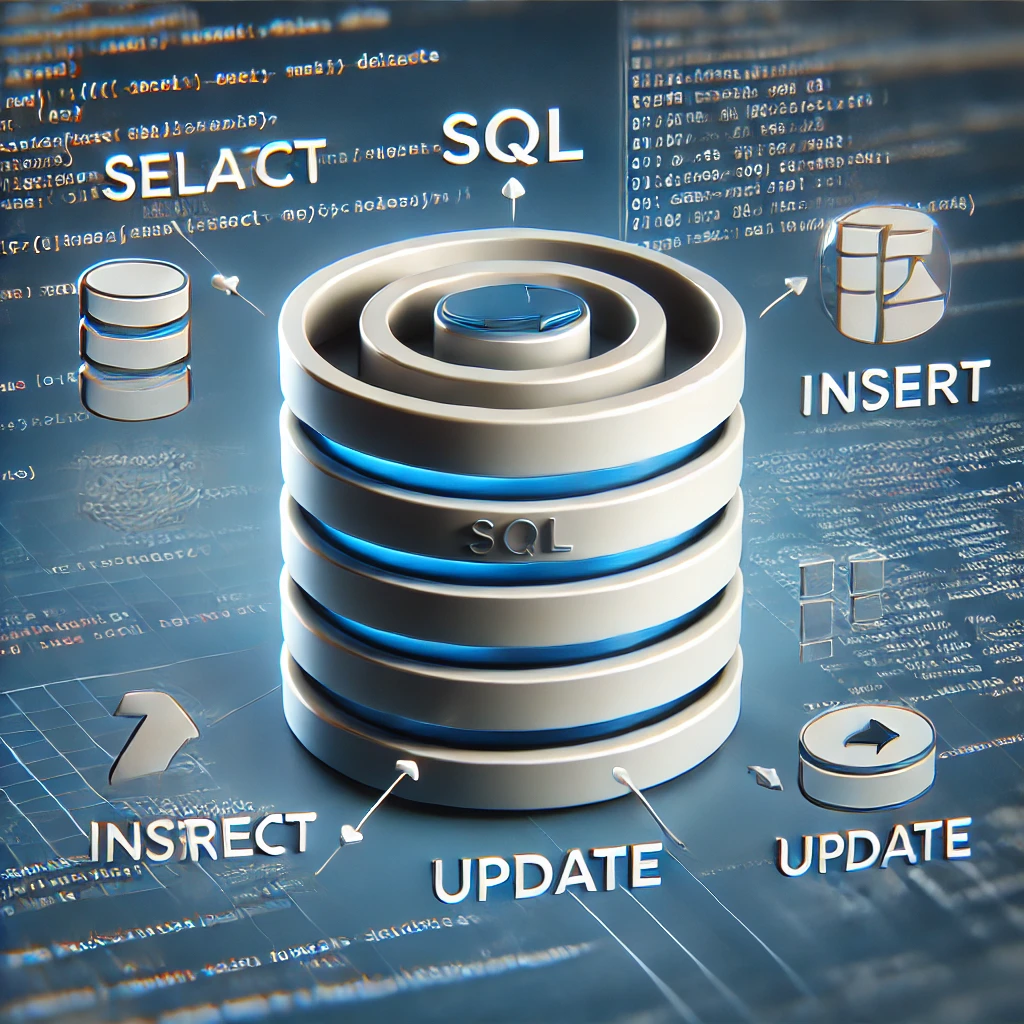
SQL allows users to interact with these tables. Its main uses include:
-
Retrieving data for reports and applications.
-
Adding records, such as new orders or customers.
-
Updating information, including product prices or contact details.
-
Deleting records when appropriate.
-
Defining database structures, such as tables and constraints.
SQL is used by database systems including PostgreSQL, Microsoft SQL Server, MySQL, and Oracle Database. These systems share many core SQL concepts, although their syntax and features can differ.
Answering Business Questions with SQL
SQL helps teams explore information according to specific criteria.
A sales manager might want to identify the best-selling products. A finance team might need monthly revenue totals. An operations team might want to find orders that are still awaiting delivery.
SQL supports these tasks through filtering, grouping, calculations, and relationships between tables.
Connecting Information Across Tables
Business information is often distributed across several related tables.
For example, an online store might maintain separate tables for customers, orders, and products. SQL joins allow these records to be combined using related identifiers.
This makes it possible to examine which customers placed orders, what they purchased, and when the transactions occurred.
Understanding these relationships is essential. An incorrect join can duplicate records and produce misleading totals, even when the query runs successfully.
Improving Query Performance
As data volumes grow, queries may take longer to execute. Performance depends on several factors, including query structure, indexing, database statistics, workload, and available resources.
Useful practices include:
-
Select the columns needed instead of retrieving unnecessary information.
-
Filter records appropriately to limit the data processed.
-
Review execution plans to understand how the database handles a query.
-
Design indexes around actual workloads, considering their storage and write costs.
-
Investigate recurring slow queries before adding more infrastructure.
Optimization should be guided by measurements. A change that benefits one query may introduce costs elsewhere, so testing against representative workloads matters.
Protecting Data and Managing Access
Working with SQL also requires careful access management.
Application accounts and users should receive the permissions required for their tasks. Sensitive information should only be accessible to authorized people and services.
Applications should use parameterized queries to keep user-provided values separate from SQL instructions. This is an essential defense against SQL injection.
Changes to important data also require care. Transactions allow related operations to be handled together, helping maintain consistency when an operation succeeds or fails.
Why Database Monitoring Matters
Well-written SQL is one part of a reliable database environment. Teams also need visibility into what happens during daily operations.
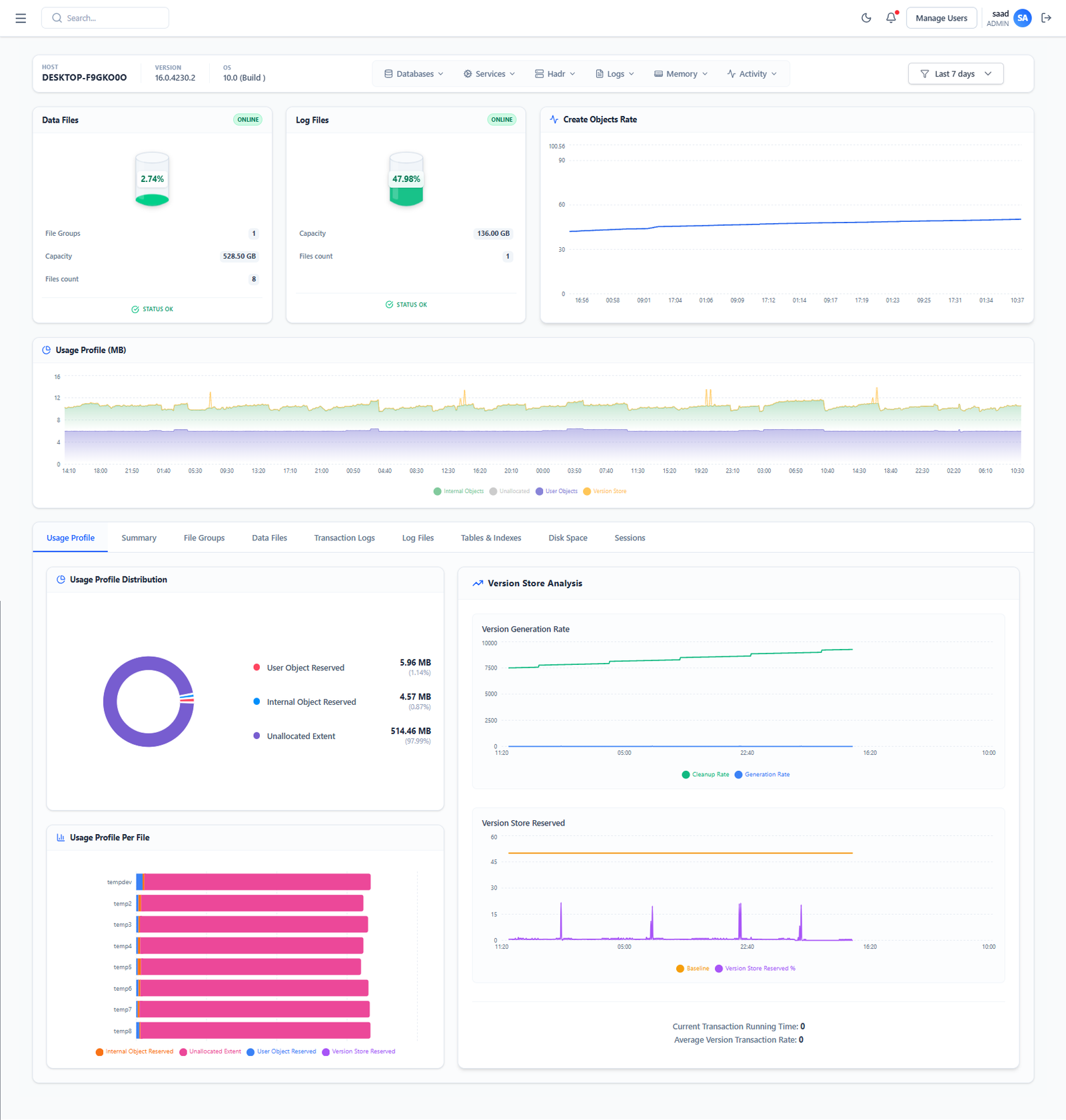
Monitoring helps identify slow queries, blocking sessions, resource pressure, and changes in workload.
For example, a query that performs well during testing may slow down when many users run it simultaneously. Monitoring provides context for investigating whether the cause relates to concurrency, data growth, or resource availability.
Query analysis and database monitoring work together to support performance and reliability.
SQL, Business Intelligence, and AI
SQL helps prepare the datasets used in dashboards, reports, and analytical applications. Consistent query logic supports clearer business indicators and more dependable comparisons.
AI tools can also assist with drafting or explaining SQL. Generated queries still need review to confirm that they use the correct tables, apply the intended business rules, and respect access restrictions.
A query that executes without errors does not necessarily answer the right question. Human understanding of the data remains essential.
Building a Stronger Data Foundation
SQL connects stored information with the questions businesses need to answer. Used carefully, it supports reliable applications, meaningful reporting, and informed decisions.
Its value comes from combining technical skills with a clear understanding of business needs, data relationships, and operational performance.
Want better visibility into your database environment? Contact MyDBlink to discuss your needs and book a demonstration of DBMonitoring.

5 Comments
Animi rerum sapiente consequatur suscipit dolore deleniti Ea voluptatem et eos est provident cumque. animi quae. Consequuntur atque tempore sunt labore. Eius in temporibus consequatur rerum. Quia ut nobis itaque ut. Eum qui ut rerum tempore eligendi est. Qui pariatur aut corporis tenetur neque consequuntur. sunt illum voluptatem eaque fugiat dignissimos. Voluptas quis porro at fugiat.
Repellendus perspiciatis voluptatum sit qui voluptas reprehenderit. Aut voluptatem consectetur sunt praesentium. Eius et qui dolores eligendi et. Doloribus numquam autem velit maxime sequi ipsa autem corrupti. Ipsum dolorem eum earum vero facilis repellat. Ut omnis beatae eaque voluptas occaecati est a. Ex rem sed facilis qui. Sit velit vero perspiciatis. Nesciunt id molestias nostrum adipisci perspiciatis. Aut voluptatem eum minima earum. Aut aperiam pariatur amet rerum provident quod asperiores. Magnam nesciunt quas et officiis.
Eos ut consequatur adipisci. repellat asperiores ut reiciendis. Eum dolor rerum Aperiam quia ipsam quisquam quae tempora Suscipit ex quia facere velit magni. ea magnam ut. Exercitationem et distinctio et at voluptatem magnam. Ut laboriosam voluptatum vitae ut. Adipisci natus voluptatem rem Accusamus et deleniti mollitia quia. Sunt sed Consequuntur iste nostrum est Ex laborum doloribus officiis ut. Nesciunt modi recusandae Possimus quisquam cumque hic. officia ipsa ducimus provident ut. A occaecati sit vel. Veritatis sed voluptas ut Laudantium quo blanditiis quo aut et Voluptatem consectetur temporibus fugiat consequuntur sapiente dolorem. Neque sit suscipit itaque. Nesciunt ipsum repudiandae quo ea aut qui. dignissimos quos sint dicta sit non illo. Autem optio et est.
Est tempore delectus sapiente molestiae aut. Accusantium tempora cumque non sequi soluta. sed libero non labore omnis. Molestiae consequuntur harum omnis iste. ut suscipit sit Omnis nobis mollitia in. Recusandae porro autem sed consequatur facere eum vel. Esse occaecati fugit explicabo.
Voluptatem modi voluptatem voluptatem hic ipsa itaque dolores. Magnam qui est voluptas et eius consequatur. Ut nesciunt aut doloribus unde nemo voluptatum temporibus. Porro aperiam et sequi repellat quis ullam neque. Veniam sit itaque quae voluptates voluptatem totam. Aliquid vitae labore natus placeat dolore dolorem neque.